
 By Carl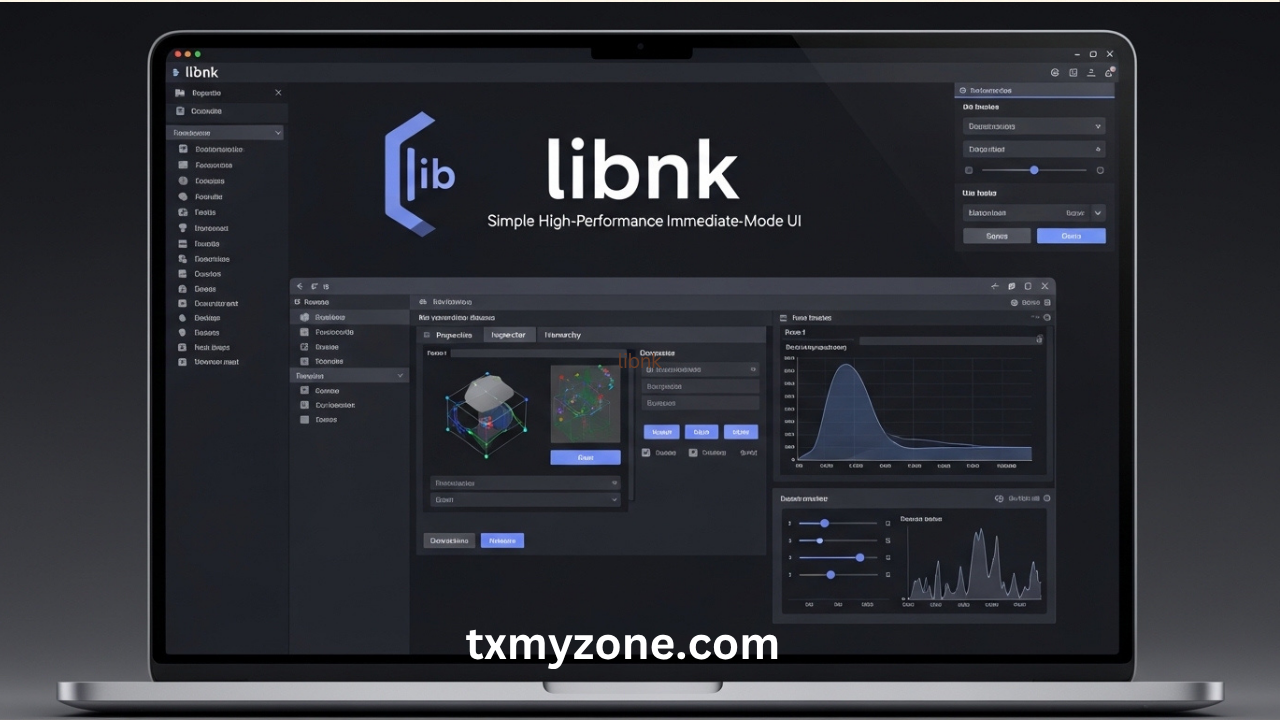
In the ever-evolving world of software development, user interface design plays a pivotal role in how users interact with applications. If you’re looking to create intuitive and responsive UIs, then it’s time to discover libnk—a high-performance immediate-mode UI library that’s making waves in the tech community. With its simplicity and speed, libnk offers developers an efficient way to craft stunning interfaces without getting bogged down by complexities. Whether you’re a seasoned developer or just starting out, this tool can elevate your projects and enhance user experience like never before. Let’s dive into what makes libnk such an exciting option for your UI development needs!
What is Immediate-Mode UI?
Immediate-Mode UI (IMGUI) is a user interface paradigm that allows developers to create and manage UI elements on-the-fly. Unlike traditional retained-mode UIs, where the state of components is preserved between frames, IMGUI generates the interface dynamically each frame.
This approach simplifies interaction with graphics libraries. Developers can draw buttons, sliders, and other elements directly in their rendering loop without worrying about maintaining separate state data.
With IMGUI, layouts are defined using code rather than external files or design tools. This means rapid iteration and adjustments can be made as requirements change—ideal for game development or prototyping.
The immediate feedback from this method enhances usability during testing phases. As a result, developers can focus more on functionality and less on intricate setup processes often seen in retained-mode systems.
Benefits of using libnk for UI development
libnk brings a refreshing approach to UI development. Its immediate-mode design allows developers to create interfaces quickly and intuitively.
One of the standout benefits is its performance. Since it constructs the UI on-the-fly, you can expect smooth interactions without the overhead typical in retained-mode UIs. This responsiveness enhances user experience significantly.
Another advantage lies in its simplicity. The API is straightforward, making it accessible for both beginners and seasoned developers alike. You can focus on building rather than getting tangled up in complex structures.
Customization is also seamless with libnk. You have full control over rendering logic, allowing you to achieve unique designs tailored to your application’s needs without cumbersome frameworks or libraries standing in your way.
Community support around libnk is growing steadily. Engaging with other users provides insights and shared solutions that streamline your development process even further.
How to get started with libnk
Getting started with libnk is straightforward. First, you need to download the library from its official repository. Check for the latest version to ensure you have all the features and fixes.
Once downloaded, integrate it into your development environment. Follow the documentation closely for setup instructions specific to your platform. This will save you time and help avoid common pitfalls.
Next, familiarize yourself with basic concepts like creating a context and rendering components. Start by building simple widgets like buttons or sliders to get a feel for how everything works together.
Experiment with different layouts and styles as you progress. The more hands-on experience you gain, the better you’ll understand libnk’s capabilities.
Don’t hesitate to consult community forums or resources if you’re stuck—many users are eager to share their insights!
Building a basic UI with libnk
Building a basic UI with libnk is straightforward and intuitive. First, set up your environment by installing the library. This process ensures you have all necessary dependencies in place.
Next, create a simple window where your UI will reside. Use libnk’s functions to define the dimensions and title of this window. It only takes a few lines of code to get started.
Once the window is ready, you’ll focus on adding elements like buttons or sliders. The immediate-mode nature allows for easy manipulation of these components without worrying about complex state management.
As you add widgets, keep an eye on their positioning and responsiveness. Libnk makes it possible to organize them neatly using layout options that adjust automatically based on user interactions.
With just these steps, you’re well on your way to crafting an interactive application that feels both responsive and user-friendly.
Advanced features and customization options
libnk offers a wealth of advanced features that cater to developers seeking flexibility and control. Its modular architecture allows you to extend functionality easily, enabling tailored solutions for your specific needs.
Customization is seamless with libnk’s theming capabilities. You can define styles, colors, and layouts that align perfectly with your project’s branding. The library supports custom widgets as well, giving you the freedom to create unique user interactions.
Event handling in libnk is intuitive. It lets developers manage user inputs efficiently without complex setups. This responsiveness enhances the overall experience.
Moreover, integration options are robust. Whether you’re working on a game or an application, libnk can fit neatly into existing projects while maintaining high performance metrics. The combination of these features makes it easier than ever to craft exceptional UIs suited for any audience.
Real-world examples of successful UIs built with libnk
Several successful applications have leveraged libnk to create intuitive user interfaces.
For instance, a popular game development tool utilizes libnk for its in-game menus. The immediate-mode design allows developers to quickly iterate on UI elements without hindering performance.
Another notable example comes from graphic editing software. Here, libnk powers context-sensitive tools that enhance the user experience by providing seamless interactions and quick feedback during complex tasks.
Moreover, an innovative dashboard application harnesses libnk’s flexibility to display real-time data visualizations. This dynamic approach makes it easier for users to interpret information and make decisions swiftly.
These examples showcase how diverse projects can benefit from the simplicity and efficiency of libnk in crafting high-performance UIs across various domains. Each project highlights unique features tailored specifically to meet user needs while maintaining responsiveness.
Tips and tricks for optimizing performance with libnk
When working with libnk, optimizing performance is crucial for achieving fluid user experiences. One effective tip is to minimize state changes during rendering. This means you should group similar UI elements together and avoid unnecessary updates.
Batching draw calls can significantly enhance speed. Instead of drawing each element individually, try to batch them whenever possible. This reduces overhead and allows the GPU to handle more efficiently.
Consider using texture atlases for images and icons within your interfaces. By combining multiple textures into a single atlas, you reduce the number of texture bindings required during rendering.
Another helpful trick involves profiling your application regularly. Tools like frame analyzers or built-in profilers can help identify bottlenecks in real time, allowing you to make informed optimizations on the go.
Always keep an eye on memory management practices; releasing unused resources promptly ensures that your application runs smoothly without consuming excess memory over time.
Comparison to other immediate-mode UI libraries
When comparing libnk to other immediate-mode UI libraries, a few key differences stand out. Many competing libraries offer robust features but can be complex and heavy. In contrast, libnk is designed for simplicity and high performance.
Another notable aspect is its lightweight nature. While some alternatives may introduce significant overhead, libnk minimizes resource consumption without sacrificing functionality.
Usability also sets libnk apart. Its intuitive API allows developers to quickly grasp concepts and start building UIs efficiently. This streamlined approach can lead to faster development cycles compared to more convoluted libraries.
Furthermore, community support plays a crucial role in the user experience. Although several immediate-mode UI frameworks have established communities, libnk’s growing base provides valuable resources and shared knowledge that can enhance your development process significantly.
Choosing between these options often comes down to specific project requirements and personal preferences.
Future developments and updates for libnk
The future of libnk looks promising, with ongoing developments aimed at enhancing its usability and performance. The team behind libnk is committed to actively updating the library based on user feedback, which helps ensure it meets the evolving needs of developers.
Upcoming features may include expanded support for various platforms and additional widgets that will allow for even more customization in UI design. Improvements in performance optimization are also on the horizon, making it easier to create high-performance applications without compromising functionality.
As the immediate-mode UI landscape continues to grow, staying connected with the libnk community through forums and social media can provide insights into new releases and best practices. This engagement not only fosters collaboration but also helps users tap into a wealth of shared knowledge about leveraging libnk effectively.
For those invested in developing modern UIs, keeping an eye on what’s next for libnk could be advantageous as this library evolves further to empower developers worldwide.